The Meaning of Donation and 4 Common Types Found in Indonesia
The General Meaning of Donation
The word “donation” is certainly familiar to most people. It is often associated with social causes or charitable actions. But what does donation actually mean? According to Wikipedia, a donation is a voluntary gift—usually in physical form—given by an individual or an organization without expecting any financial benefit in return. The person who gives a donation is commonly referred to as a donor.
Donations can be given in many forms, such as money, food, goods, clothing, or basic necessities. Beyond these commonly known forms, donations may also include blood transfusion or organ donation to those in need.
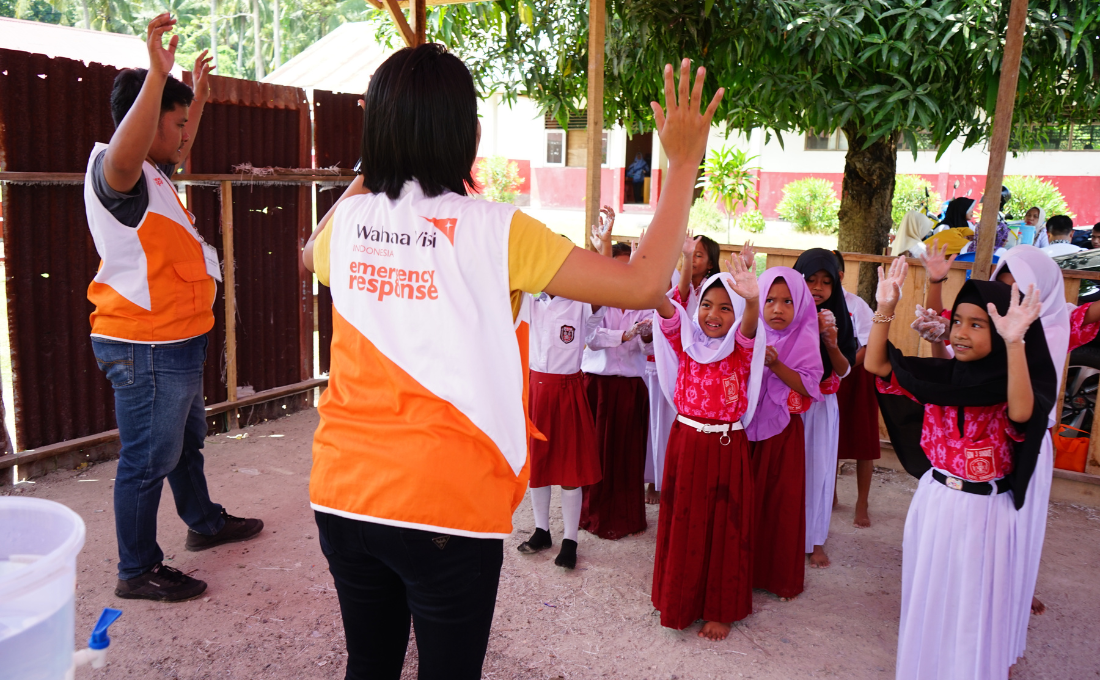
Donations have become increasingly popular in today’s digital era, where many organizations facilitate online giving. These social organizations help connect donors and beneficiaries to make the donation process easier. One example is Wahana Visi Indonesia (WVI), which actively invites the public to support children through a child sponsorship program.
The Meaning of Donation and Its Types at Wahana Visi Indonesia
So what does “child donation” or “child sponsorship” at Wahana Visi Indonesia mean?
Child sponsorship is a form of support directed specifically to children from vulnerable families. A donor sponsors a child by contributing IDR 200,000 per month to WVI.
Child sponsorship is one of many donation types available in Indonesia.
Below are common donation categories typically managed by fundraising organizations in Indonesia:
1. Social Activity Donation
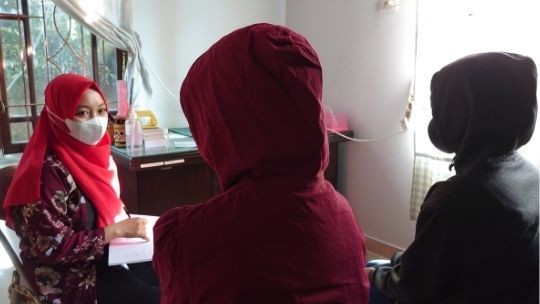
This type of donation is usually raised through fundraising held by social organizations. The collected funds are used to help people facing social issues—such as supporting street children, improving school facilities, and more. In summary, social activity donations aim to reduce social problems within communities.
2. Environmental Conservation Donation
Environmental conservation donations are funds collected to protect and restore nature. As we know, nature is often misused or neglected. For example, many people litter carelessly, contributing to Indonesia’s waste problem—21.88 million tons of waste were recorded in 2021 by the Ministry of Environment and Forestry (KLHK). Pollution in rivers and oceans is also a major concern.
Despite this, many individuals and groups remain committed to protecting the environment. They plant trees, organize “go green” campaigns, and work on environmental restoration projects. Since such initiatives require substantial funding, organizations often organize fundraising campaigns dedicated to environmental preservation.
3. Educational Facility Donation
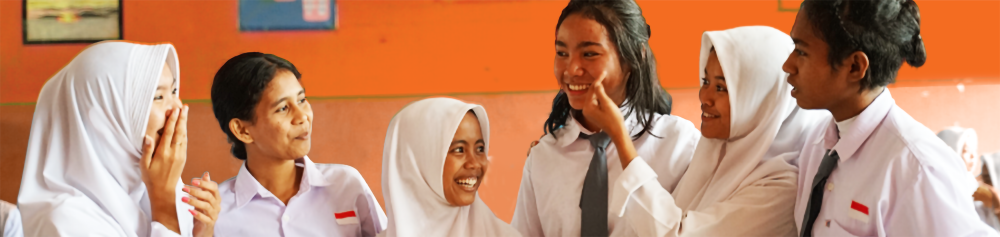
It is no secret that many children in remote villages have limited access to quality education. This has moved many people to donate and support these children, helping them access proper learning opportunities so they can pursue their dreams. Educational facility donations are funds collected to improve the quality of education for children in underdeveloped areas. These donations may support school construction, provide books, or cover the cost of teachers and educational staff.
4. Disaster Relief Donation
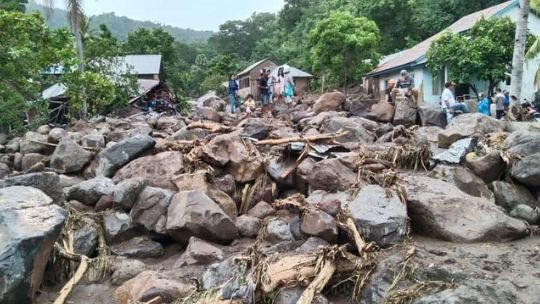
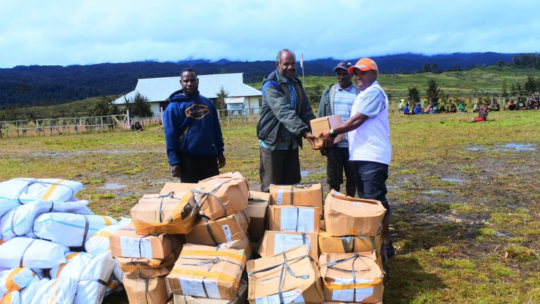
Disaster relief donations are collected in response to natural disasters. These funds are specifically intended for disaster survivors and are usually raised once during or shortly after the event—unlike other donation types that may be collected routinely (monthly, per semester, or annually).
One common example is when an earthquake forces families to evacuate because their homes are damaged. During their time in shelters, survivors need food, clean water, and basic necessities. Organizations use disaster relief donations to meet these urgent needs.
Disaster relief donations are also extended to victims of human-made crises, such as war. For example, the Russia–Ukraine conflict became a global concern, prompting people—including those in Indonesia—to donate and support humanitarian efforts. Funds raised are channeled through organizations like the UN World Food Programme and the UN High Commissioner for Refugees to provide temporary housing, food, and other essential aid.
How Donation Brings Happiness to Us
Looking at the four major types of donations commonly raised in Indonesia reminds us that many people out there truly need our help. This means that any form of donation—regardless of the amount—is incredibly valuable.
Many people actually want to contribute, but daily responsibilities and the glamor of social media often distract them from remembering that life isn’t only about success, recognition, and achievement. We sometimes believe these three things are the best sources of happiness.
What we often overlook is that happiness can also be found in simple acts of giving. Witnessing someone smile because of our help—especially when done quietly and sincerely—brings a warmth that no amount of money can buy.
Love for others is the greatest secret to true happiness.
This idea is echoed by Pope Francis, the 266th head of the Catholic Church, who once said: “Love is the greatest power for transforming reality because it can break down the walls of selfishness and fill the chasms that separate human beings.”
His words were reflected in his simple yet memorable actions—such as wearing a red clown nose to surprise two newlyweds volunteering at the Rainbow Association Marco Lagulli Onlus, an organization that offers clown therapy for sick children. Known for his joyful spirit, Pope Francis continues to spread joy through simple, sincere gestures, believing that happiness doesn’t have to be complicated.
So let’s put into practice the meaning of donation we’ve learned—and discover the invisible yet profound happiness that comes from giving.
Written by: Maya Giftira - volunteer writer, Wahana Visi Indonesia